
Invisalign
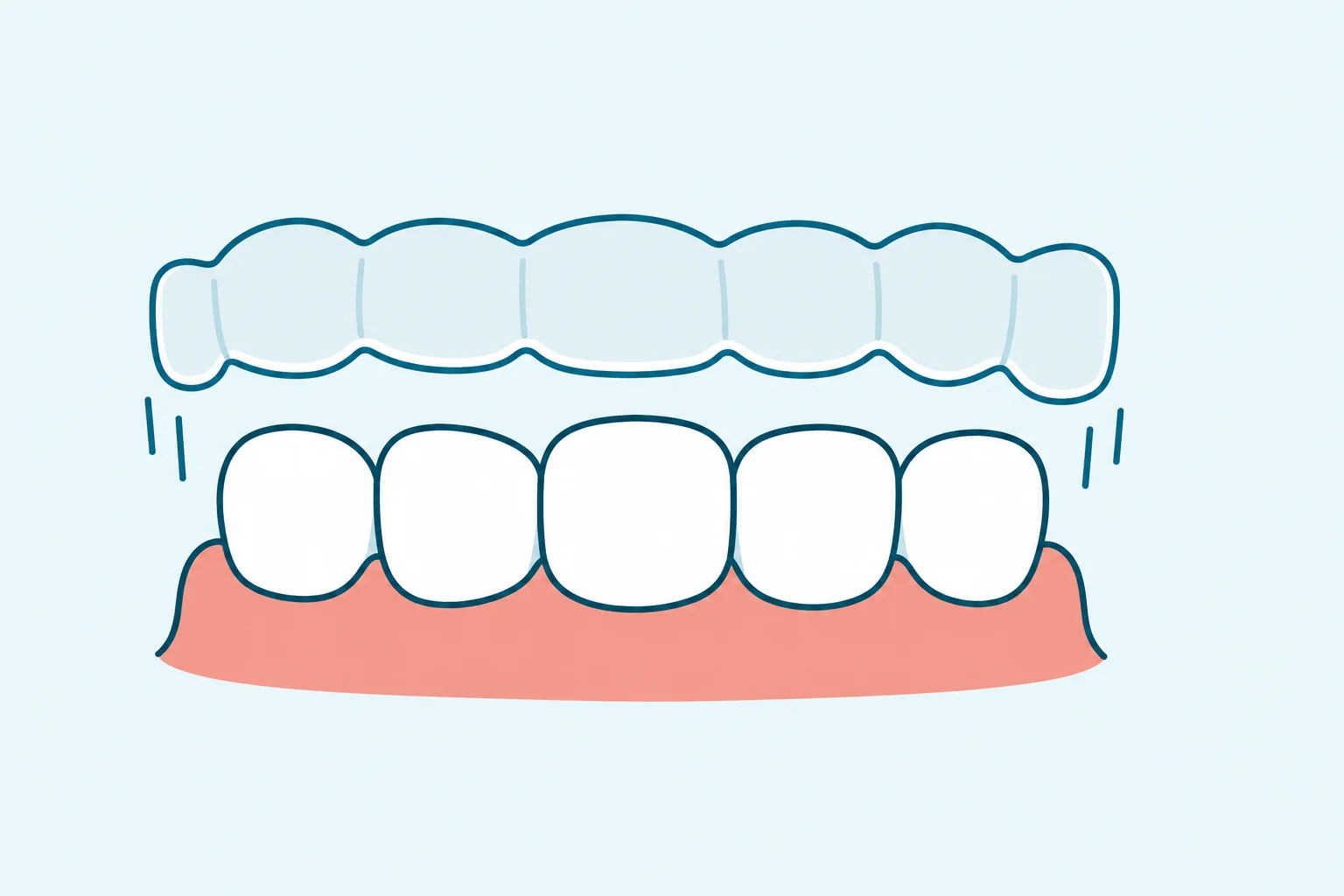
Teeth straightened by a series of clear, removable aligners, with the full plan, timeline and fee laid out before you commit to anything.
Which of these looks like your teeth?
Aligners handle some of these very well and others only in their milder forms. Find the closest match; the consultation will confirm what your case actually needs.
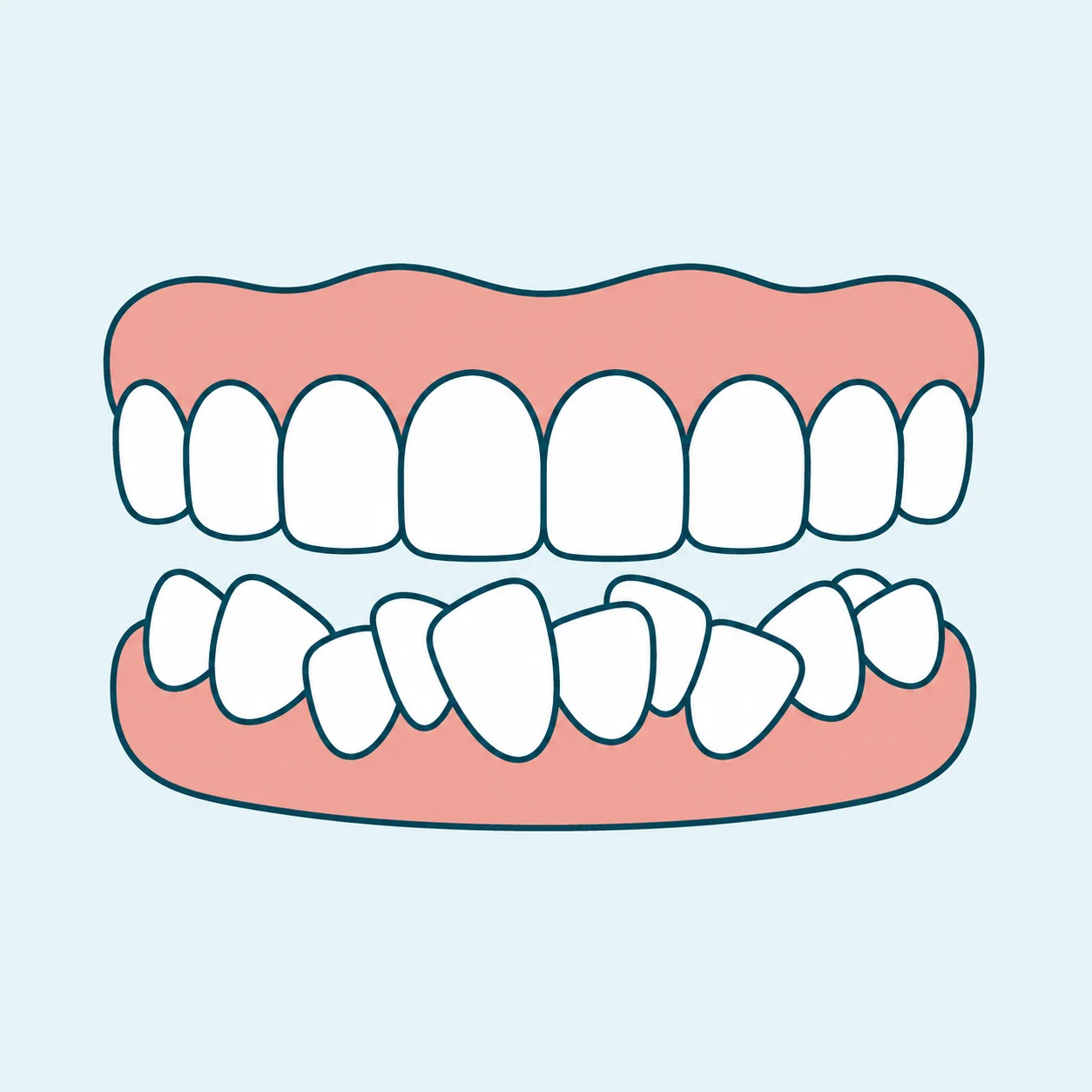
Crowded Teeth
Usually a great fitMild-to-moderate crowding is exactly where aligners shine.
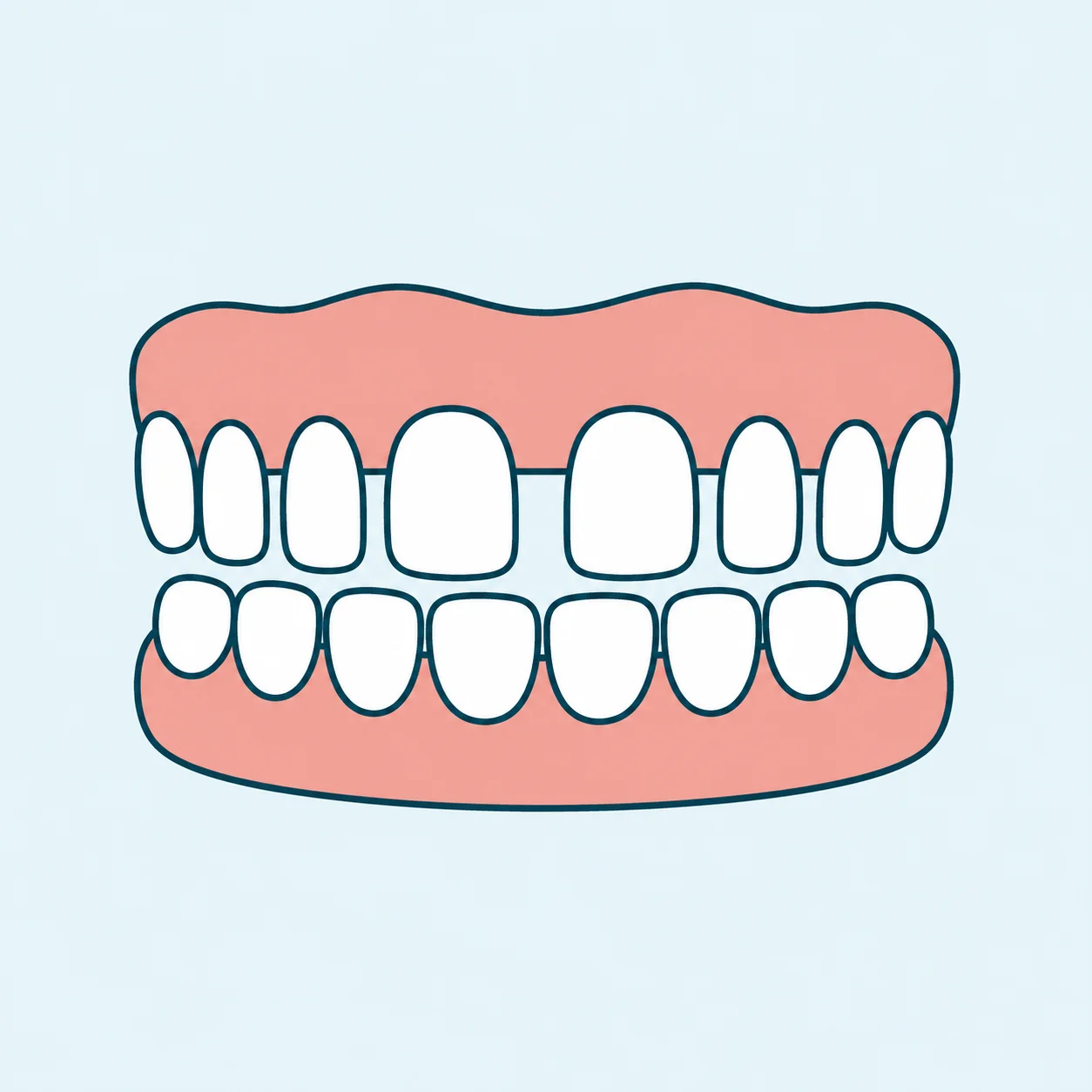
Gapped Teeth
Usually a great fitClosing spaces is one of the most predictable aligner movements.
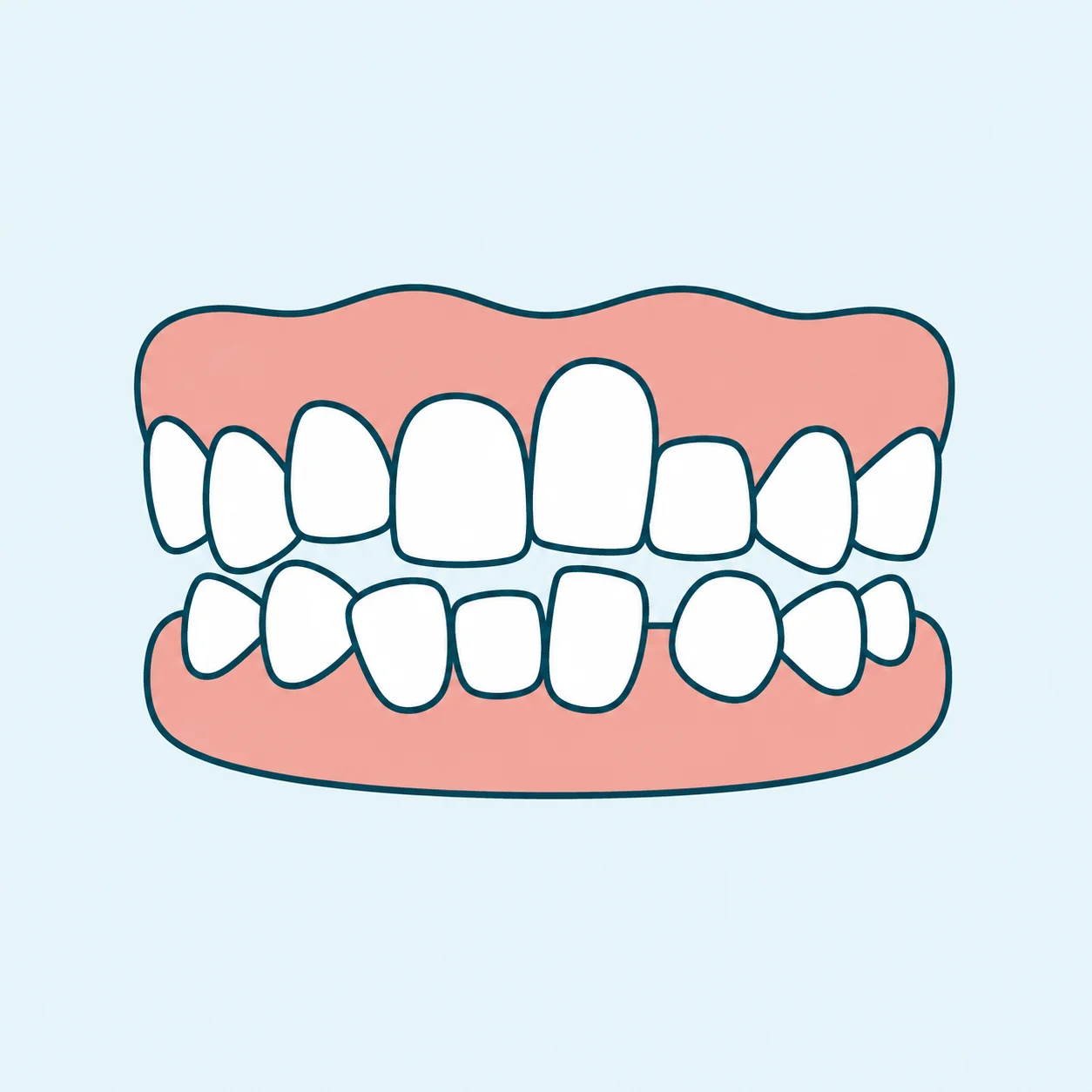
Generally Uneven Teeth
Usually a great fitSlight rotations and unevenness respond well to aligners.
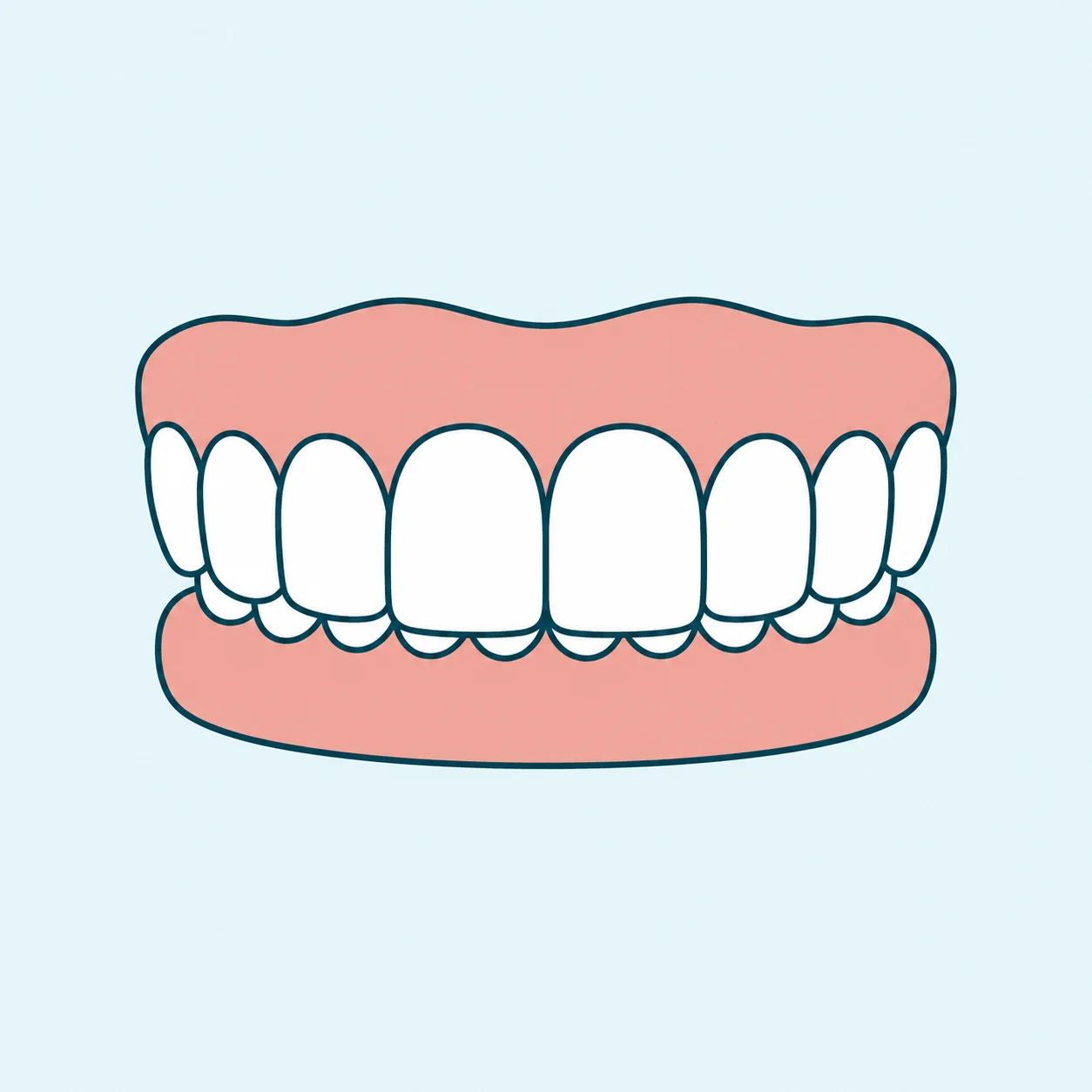
Overbite
Depends on severityMilder cases suit aligners; deep bites may do better with braces.
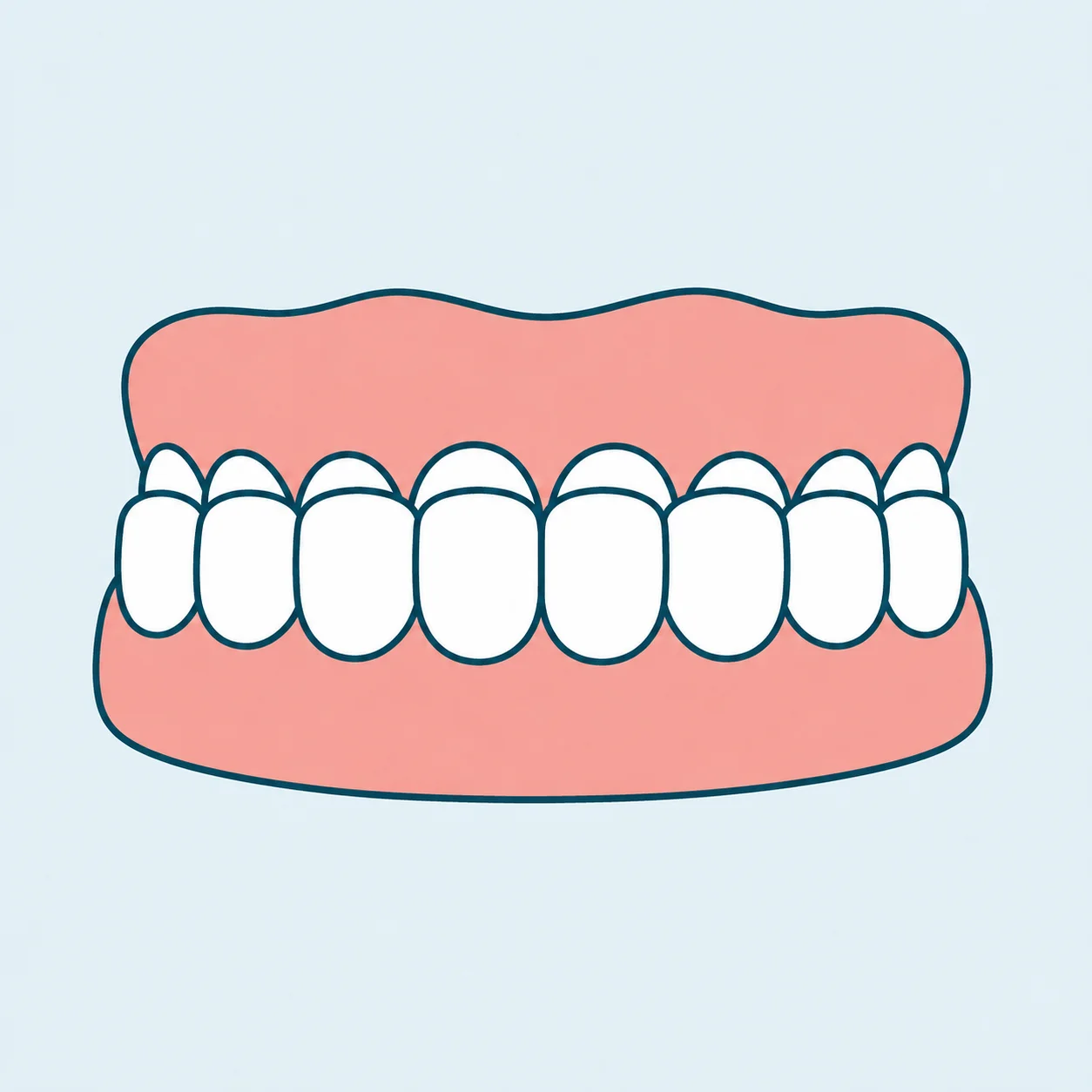
Underbite
Depends on severityMild cases can work; pronounced underbites often call for braces.
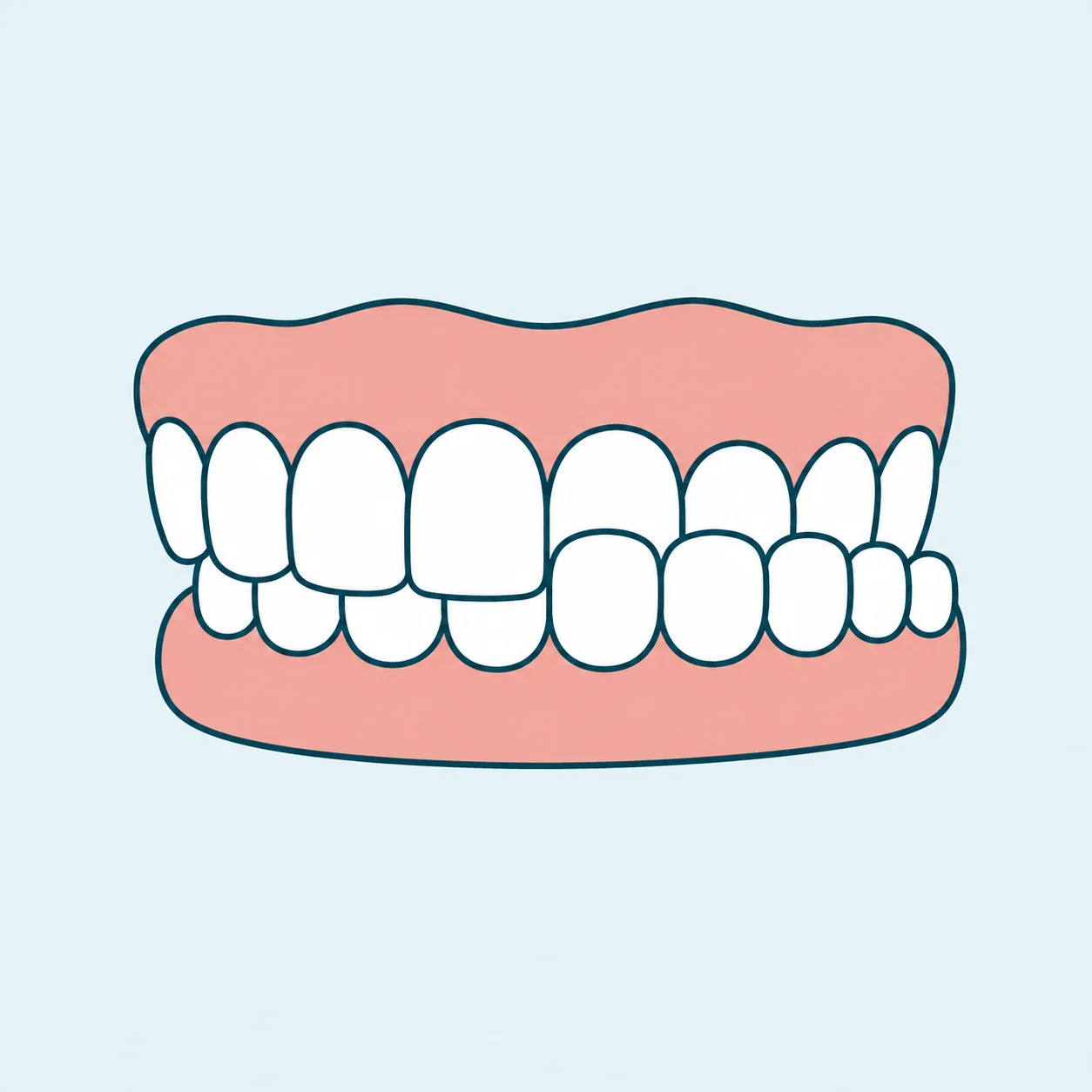
Crossbite
Depends on severityA single-tooth crossbite often corrects well; wider ones need assessment.
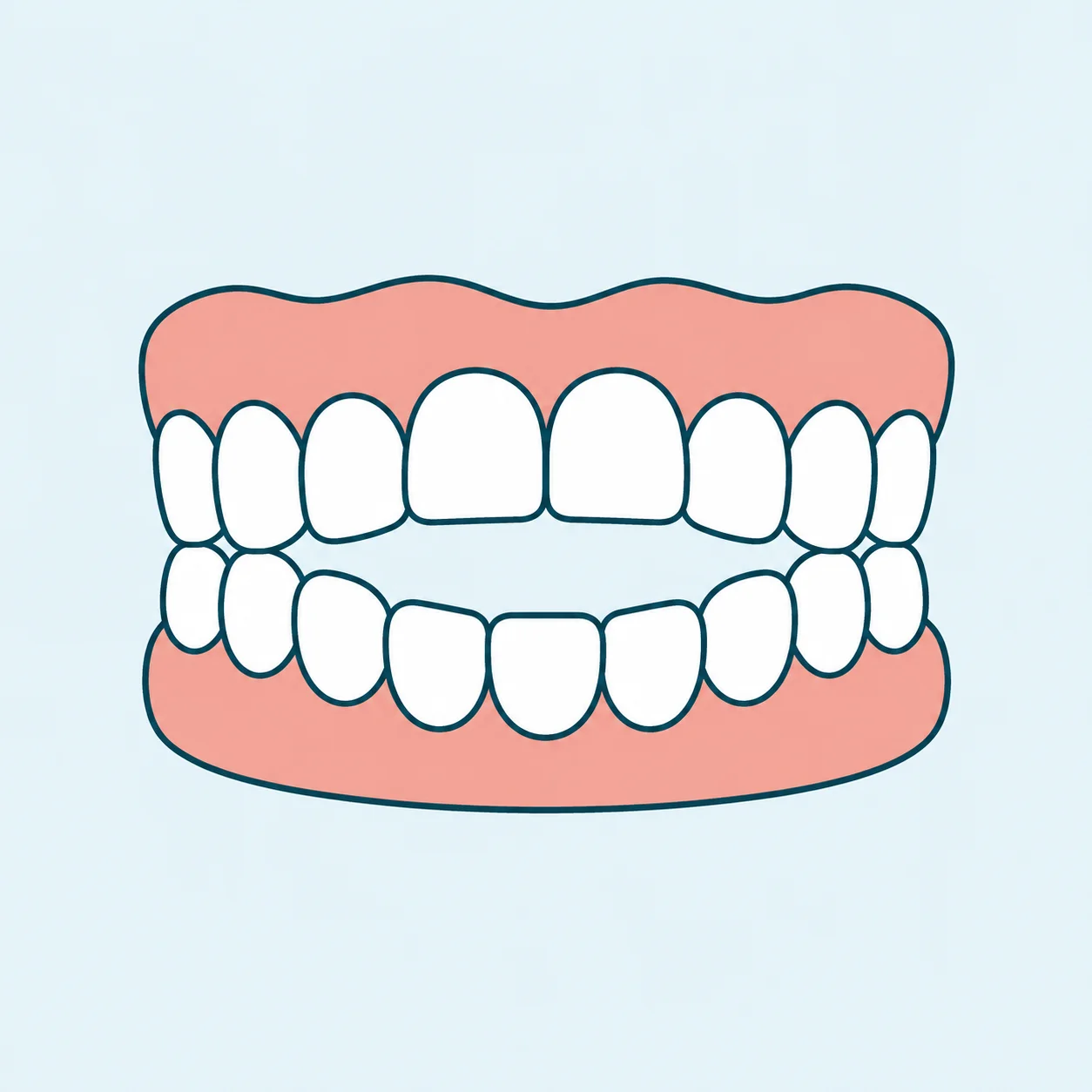
Open Bite
Depends on severityAligners can close many open bites; the cause decides the tool.
These sketches are a starting point, not a diagnosis. Severity matters more than the shape, and the consultation settles it properly, with no obligation to proceed.
When Invisalign is the right tool, and when braces still win
Invisalign is usually a great fit when…
- Your crowding, gaps or rotation is mild to moderate
- Your work or lifestyle makes visible braces awkward
- You can honestly commit to 20–22 hours of wear a day
- You want to eat and brush with nothing in the way
…but we'll tell you honestly when it isn't
Some complex bite corrections and tooth movements are still handled better by braces; they work around the clock and do not depend on discipline.
Compare: Braces & Aligners →Teeth must be healthy before they move: untreated decay or gum disease comes first. That is a question of order, not a rejection.
Start with: Dental Check-up →Our promise: At the consultation, we will tell you whether Invisalign, braces, or neither genuinely fits your case, before you commit to anything.
“Invisalign” and “clear aligners” — what’s the difference?
Clear aligners are the treatment; Invisalign® is the brand that has been refining it the longest. Every aligner system moves teeth with a series of transparent, removable trays. What the brand specifically adds: your records become a 3D treatment plan that shows how each tooth is projected to move, so you review the end result before deciding to start. The aligners are made from Invisalign’s patented SmartTrack material, designed to fit closely and apply gentle, even pressure so movement stays predictable. And attachments, mid-course refinements and retention are all planned inside one mature system.
A brand is not a treatment plan
The trays are only as good as the plan behind them — and the plan is the dentist’s work. Two clinics offering the same brand can plan the same teeth very differently. That is why the consultation matters more than the logo: at Happy Tooth Dental Clinic in Puchong, you will see the projected result, the realistic timeline and the exact fee before anything begins. And if braces, or simply waiting, would serve your teeth better, that is what we will tell you.
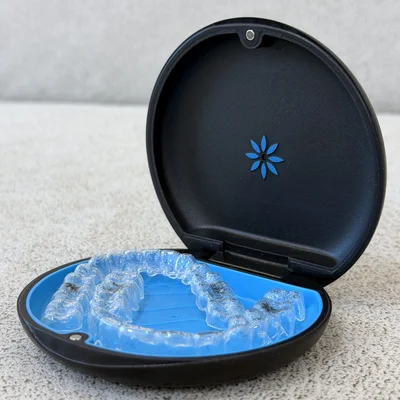
Nothing unknown, nothing to fear
Records & the 3D plan
Photos, an X-ray and a scan map every tooth. You'll see the projected result, and the realistic timeline, before anything starts.
Your first aligners
Small tooth-coloured attachments give the aligners grip; then your first set goes in. Speech feels odd for a day or two, then normal.
The rhythm
A fresh set every 1–2 weeks, a short review every 6–8. Each new set feels snug for a day; that pressure is progress.
Retainers take over
When the plan completes, retainers hold the new positions while the bone settles. Nights only, ideally for good.
Will it hurt? The honest answer: a new set feels tight for the first day or two — pressure, not pain. Most people never need a painkiller, and there are no injections at any point.
- DoTake aligners out for anything except plain water
- DoBrush, or at least rinse, before they go back in
- Don'tDrink hot coffee or tea with them in; heat warps them and tannin stains them
- DoWear them 20–22 hours; they only work while they're in
- DoClean them with a soft brush and cool water, morning and night
- Don'tUse hot water or coloured mouthwash on the trays
- DoKeep the case in your bag; a tissue-wrapped aligner is a lost aligner
- DoKeep your previous set as backup
- Don'tPanic about a missed hour; just don't make it a habit
Call us if: an aligner cracks or goes missing, or an attachment pops off. None of these derail the plan — we will usually move you to the next set early or re-bond at your next visit.
Teeth move set by set: expect visible change within a few months and the full result across the planned timeline. Retainers then hold everything while the bone firms up; nighttime wear is the long-term insurance on the result.
What determines the fee
- Complexity of movement — mild crowding needs fewer aligners than bite correction; the number of sets drives the fee
- Refinements — mid-course extra aligners if teeth need a nudge; whether they're included is stated before you start
- Retainers and reviews — the end of treatment is part of the plan, quoted with it, not discovered after
No surprises — that's the rule
You will get the exact fee after examination, before any treatment starts.

“People think aligners are a product you buy. They're not — the trays are only as good as the treatment plan behind them, and the plan is the dentist's work. Wherever you go, that is the thing worth asking about.”
Dr. Ong Xin Min · Founder, Happy Tooth Dental
Frequently asked questions
Is Invisalign more expensive than braces?
Usually somewhat, yes: you're paying for the lab-made series of aligners and the digital planning behind them. How much depends entirely on your case; you'll have the exact figure after the consultation, before deciding anything.
Do I really have to wear them 20–22 hours a day?
Yes — that's the honest deal with aligners. They only move teeth while they're in. Wear them less and treatment slows or drifts off-plan; if that discipline sounds unrealistic for you, braces may genuinely be the better choice, and we'll say so.
Can I drink coffee or tea with aligners in?
Plain water is the only thing that should touch the aligners. Hot drinks warp them and tannins stain them. Take them out, enjoy your coffee, rinse, and put them back. It becomes routine faster than you would expect.
What happens if I lose or crack an aligner?
It happens, and it's never an emergency. WhatsApp us; depending on where you are in the plan, we'll usually move you to the next set a little early or have you wear the previous set until a replacement arrives.
Is Invisalign better than other aligner brands?
Invisalign is the most established system and the one we mainly use, though other brands are available if you prefer. The honest answer, either way: the treatment plan and the dentist reviewing it matter more than the logo on the box.
Not sure what your tooth needs?
Book a consultation on WhatsApp — your dentist will examine first and explain your options honestly before anything is decided.
Book a consultation